Trees are some of the most valuable features on any Albuquerque property. They provide shade during our intense summer heat, improve air quality, increase property value, and contribute to the health of our urban forest. So when a homeowner suspects that one of their trees might need to come down, it is a decision that deserves careful thought and professional input.
At Legacy Tree Company, we believe tree removal should always be a last resort. Our team of ISA Certified Arborists evaluates every tree individually, and in many cases, we can recommend alternatives like pruning, cabling and bracing, or disease treatment that can extend a tree’s life for years or even decades. But when removal truly is the safest option, it is important to understand the signs and know what the process involves.
Signs a Tree May Need to Be Removed
Not every tree that looks rough is ready to come down. Drought stress, seasonal leaf drop, and minor pest activity are all common in Albuquerque’s high desert climate, and none of them automatically mean removal is necessary. However, there are situations where a tree’s condition or location creates a genuine safety concern that warrants professional evaluation.
The Tree Is Dead
A dead tree is one of the most straightforward cases for removal, but it is also one of the most dangerous to handle. Dead wood becomes brittle over time, and areas weakened by decay make the tree’s behavior unpredictable during removal. Branches can snap without warning, and trunks can shift in ways that are difficult to anticipate. This is why dead tree removal should always be handled by experienced, insured professionals who understand how to assess and manage the risk.
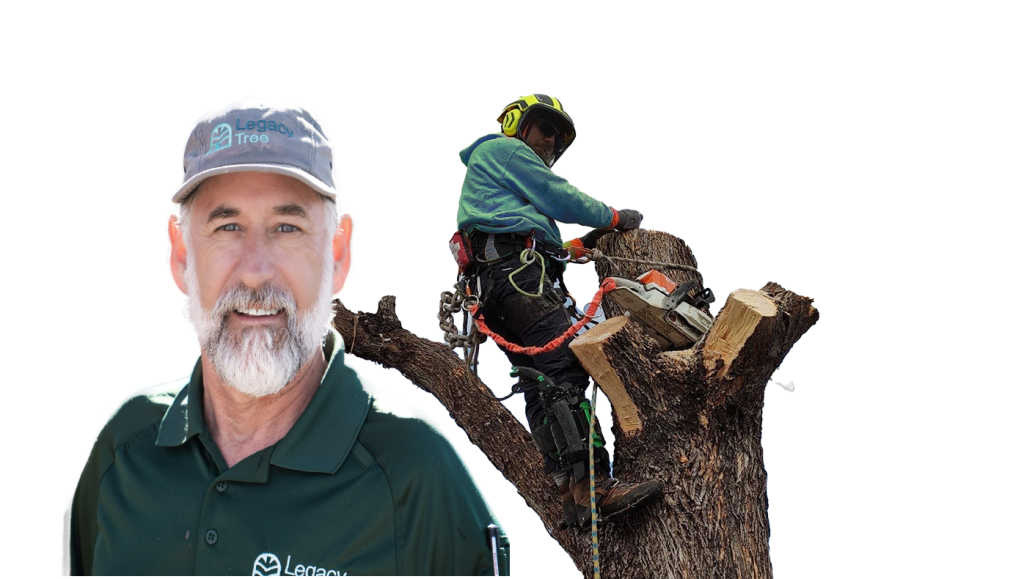
Legacy Tree Company’s arborists carefully evaluate every dead tree before beginning work. In some cases, these removals become complex engineering projects that require a boom crane, a bucket truck, or manual climbing and rigging to bring sections down piece by piece.
The Tree Has Significant Structural Problems
Trees with large cavities in the trunk, extensive root damage, severe lean, or multiple co-dominant stems with tight, V-shaped attachments are at higher risk of failure. These structural issues do not always mean removal is the only answer. In some cases, cabling and bracing can provide the support a tree needs to remain safely in the landscape. But when the structural compromise is too advanced, removal is the responsible choice.
The Tree Is in Conflict with the Built Environment
Sometimes a perfectly healthy tree simply outgrows its space. Roots can buckle sidewalks, crack foundations, or compromise retaining walls. Branches can press against rooflines, block sightlines, or interfere with power lines. When a tree’s location creates ongoing damage to structures or infrastructure, removal may be the most practical solution, even when the tree itself is healthy.
The Tree Is Declining Beyond Recovery
Trees that have been under severe stress for extended periods, whether from prolonged drought, repeated pest infestations, or root zone damage from construction, can reach a point where recovery is no longer realistic. Legacy Tree Company’s tree health consultation services can help determine whether a tree still has a viable path forward or whether removal is the better long-term investment.
Common Albuquerque Trees That Often Require Removal
Certain species are more commonly involved in removal situations across the Albuquerque area due to their growth habits, wood characteristics, or invasive tendencies.
Valley Cottonwoods
Cottonwoods are iconic along the Rio Grande and throughout Albuquerque’s valley neighborhoods. They grow large and fast, but they also have relatively weak wood with a higher chance of branch failure compared to many other species. A cottonwood can look relatively stable one year and pose a serious risk the next, especially as decay progresses internally. Regular assessment by a certified arborist is essential for anyone with mature cottonwoods on their property.
Siberian Elms
Siberian elms are one of the most common trees removed across Albuquerque. They grow aggressively, often in locations where they were never intentionally planted. One of the challenges with Siberian elm removal is that they commonly resprout from the stump and sometimes from the roots, which means the job is not finished just because the trunk is down. A targeted chemical approach is often necessary to prevent regrowth.
Tree-of-Heaven
Tree-of-heaven is another aggressive species found in parts of Albuquerque. After losing a single stem, it can send up dozens of new shoots, making it one of the more difficult species to fully eliminate. Legacy Tree Company has the knowledge, licenses, and products to handle these tough cases effectively.
What to Expect During Professional Tree Removal
Understanding the process can help homeowners feel more confident about what is happening on their property.
Assessment Comes First
Every tree removal at Legacy Tree Company begins with an on-site evaluation by an ISA Certified Arborist. The arborist assesses the tree’s species, size, condition, lean, proximity to structures, and access points to determine the safest approach. Legacy Tree Company provides complimentary estimates for general tree work, and more complex health assessments may involve a paid evaluation to ensure a thorough, science-based recommendation.
Safe, Controlled Dismantling
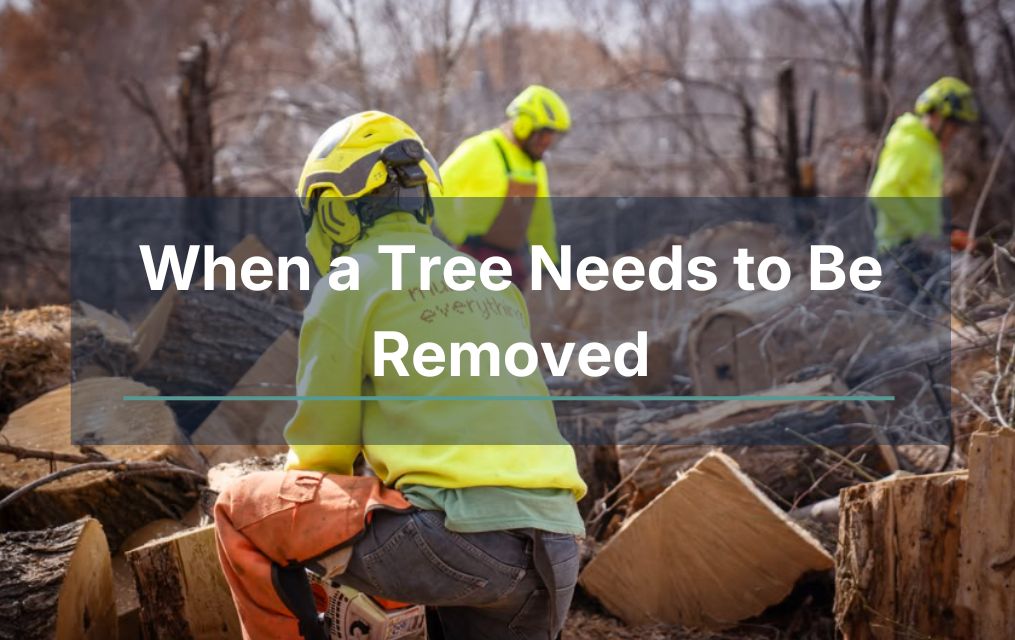
Depending on the situation, Legacy Tree Company’s crews may use a boom crane, a bucket truck, or manual climbing and rigging techniques. The approach depends entirely on the tree and its surroundings. Climbing arborists are skilled at taking trees apart in manageable sections, minimizing risk to the surrounding landscape and nearby structures.
Debris Removal and Cleanup
Once the tree is down, Legacy Tree Company removes all debris from the property. Smaller branches are chipped into high-quality arborist mulch, which is reused to improve landscapes throughout the community. Larger wood can be cut into firewood-length pieces and left on site if the homeowner prefers.
Stump Options
After removal, homeowners can choose to have the stump cut low to the ground or ground out entirely. The best option often depends on how the space will be used going forward. If you are planning to replant, stump grinding is typically the better choice.
Alternatives to Tree Removal
Removal is not always the answer. Legacy Tree Company offers several services that can extend the life of a struggling tree and keep it safely in your landscape.
Pruning and Structural Support
Targeted pruning can reduce weight on overextended limbs, improve airflow, and correct structural imbalances. For trees with weak unions or co-dominant stems, certified cabling and bracing can reduce the risk of failure while preserving the canopy.
Disease and Pest Treatment
If a tree is declining due to pest activity or disease, Legacy Tree Company’s diagnosis and treatment team can identify the cause and develop a targeted treatment plan. The team includes two former NMSU Horticulture Extension Agents with advanced degrees in entomology and botany, offering a level of diagnostic expertise that is rare in the tree care industry.
Irrigation Improvements
Many trees in Albuquerque are chronically under-watered. A tree that appears to be dying may actually be suffering from drought stress that can be corrected with a properly designed irrigation system. Legacy Tree Company designs and installs systems that deliver deep water to root zones while conserving resources.
Why Choosing the Right Tree Removal Company Matters
Tree removal is one of the most hazardous tasks in the arboriculture industry. Improper technique can result in damage to homes, vehicles, fences, and neighboring properties. It can also create liability for homeowners who hire unlicensed or uninsured operators.
Legacy Tree Company is fully licensed and insured for all residential and commercial tree work in Albuquerque. The company holds an A+ rating with the Better Business Bureau, is accredited by the Tree Care Industry Association (TCIA), and has earned over 700 five-star Google reviews. With 11 ISA Certified Arborists on staff, including Board Certified Master Arborists and a Certified Tree Safety Professional, every removal is planned and executed to the highest industry standards.
How Much Does Tree Removal Cost in Albuquerque?
Tree removal costs vary widely depending on the size of the tree, its condition, location, access, and the complexity of the job. A small, straightforward removal in an open yard will cost significantly less than a large dead cottonwood overhanging a home with limited equipment access.
Legacy Tree Company provides complimentary estimates so homeowners can understand the scope and cost before committing. When evaluating pricing, it is worth considering the investment the company makes in professional equipment, extensive safety training, and insurance coverage that protects both the crew and the homeowner’s property.
Frequently Asked Questions About Tree Removal in Albuquerque
Do I need a permit to remove a tree in Albuquerque?
Permit requirements depend on the tree’s location, species, and size. Some neighborhoods and HOAs have specific rules about tree removal. Legacy Tree Company can help you understand what applies to your property during the estimate process.
Can a dead tree be left standing?
A dead tree can remain standing for some time, but it becomes increasingly unpredictable as decay progresses. If the tree is near a home, walkway, driveway, or any area where people spend time, removal is strongly recommended.
How long does tree removal take?
Most residential tree removals are completed in a single day. Larger, more complex projects involving cranes or extensive rigging may take longer. Your arborist will provide a time estimate during the consultation.
What happens to the wood after removal?
Legacy Tree Company recycles and repurposes as much material as possible. Branches are chipped into arborist mulch, and larger wood can be left as firewood or hauled away, depending on the homeowner’s preference. This approach minimizes waste and supports the company’s commitment to environmental responsibility.
What is the best time of year to remove a tree in Albuquerque?
Tree removal can be performed year-round. However, during peak seasons in spring and summer, it is best to schedule two to three weeks in advance to secure your preferred timing.
Schedule Your Tree Removal Assessment
If you have a tree that is dead, declining, or causing problems on your Albuquerque property, the first step is a professional evaluation. Legacy Tree Company’s ISA Certified Arborists will assess your tree, explain your options, and help you make the decision that best protects your property and your landscape.
Contact Legacy Tree Company at (505) 312-8865 or visit legacytreecompany.com/estimate to request a complimentary estimate.
Contact us to find out more about our Albuquerque tree removal services.